
When power tests the limits: Why international law matters more than ever
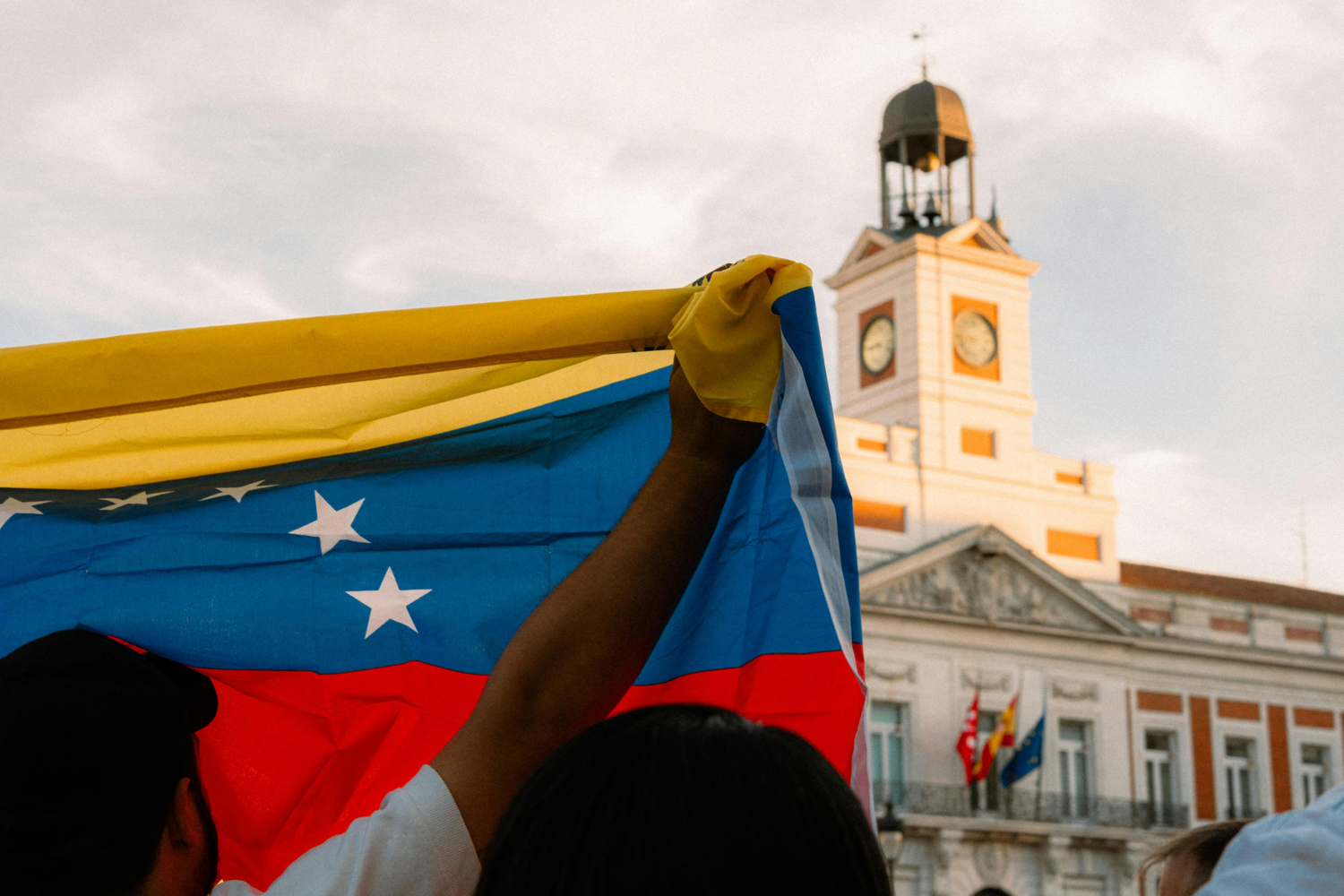
This month, the world witnessed an extraordinary event. The United States captured a sitting president and transported him to New York to stand trial. The operation was framed as a “law enforcement action”. Yet with the use of 15,000 troops, airstrikes on the capital and the subsequent declarations of rule and the taking over of oil reserves – it also looked a lot like military force.
What does this mean for the international legal order? In broad terms, international law governs the rules countries agreed to play by after World War II. The UN Charter - signed by 193 countries including the US - is the global rulebook. Article 2(4) of the UN Charter is unequivocal: states must refrain from using force against the territorial integrity or political independence of another state. There are three known exceptions:
- UN Security Council authorisation
- Self-defense against an armed attack
- Consent from the lawful government
If none of these apply to the US/Venezula situation, then International law experts are calling this a clear breach of the UN Charter. International law is not bureaucratic red tape - it is the framework that prevents powerful nations from doing whatever they want, whenever they want. Because when rules apply selectively, they cease to be rules at all. Perhaps few will mourn Maduro as a leader but if one country can unilaterally decide to capture foreign leaders and “run” other nations, where does that end?
The Fight Against Modern Imperialism
Under the United Nations Charter, the UN Security Council bears the responsibility for the maintenance of international peace and security. The Security Council may refer a situation to the ICC, which empowers the ICC to investigate certain crimes, including crimes of aggression. The ICC embodies the principle that justice should be impartial and global, not dictated by the strongest military power. Undermining these mechanisms risks sliding back into an era of imperialism - where sovereignty becomes negotiable.
The US Invasion of Panama, the Iraq and Cold War – these examples underscore a pattern. When powerful states act outside the law, the consequences ripple far beyond the immediate target. They normalise exceptionalism and undermine the very system designed to prevent conflict.
If international law becomes optional, smaller nations lose their shield and global governance fractures. Because when the rules collapse, history tells us what comes next: chaos, conflict and the return of imperialism in a modern guise.